8 microsite examples worth stealing from
Real campaign, product and story microsites from Ray-Ban to a one-studio wellness brand — what each one is, why it works as a microsite, and the one idea to take from it.
A microsite is a small site with one job. The examples below were chosen because each demonstrates a different job done exceptionally: launching a product, versioning an annual report, carrying a campaign, replacing a PDF. Most live on their own subdomains — the classic microsite signature — and every one leans on scrollytelling to hold attention.
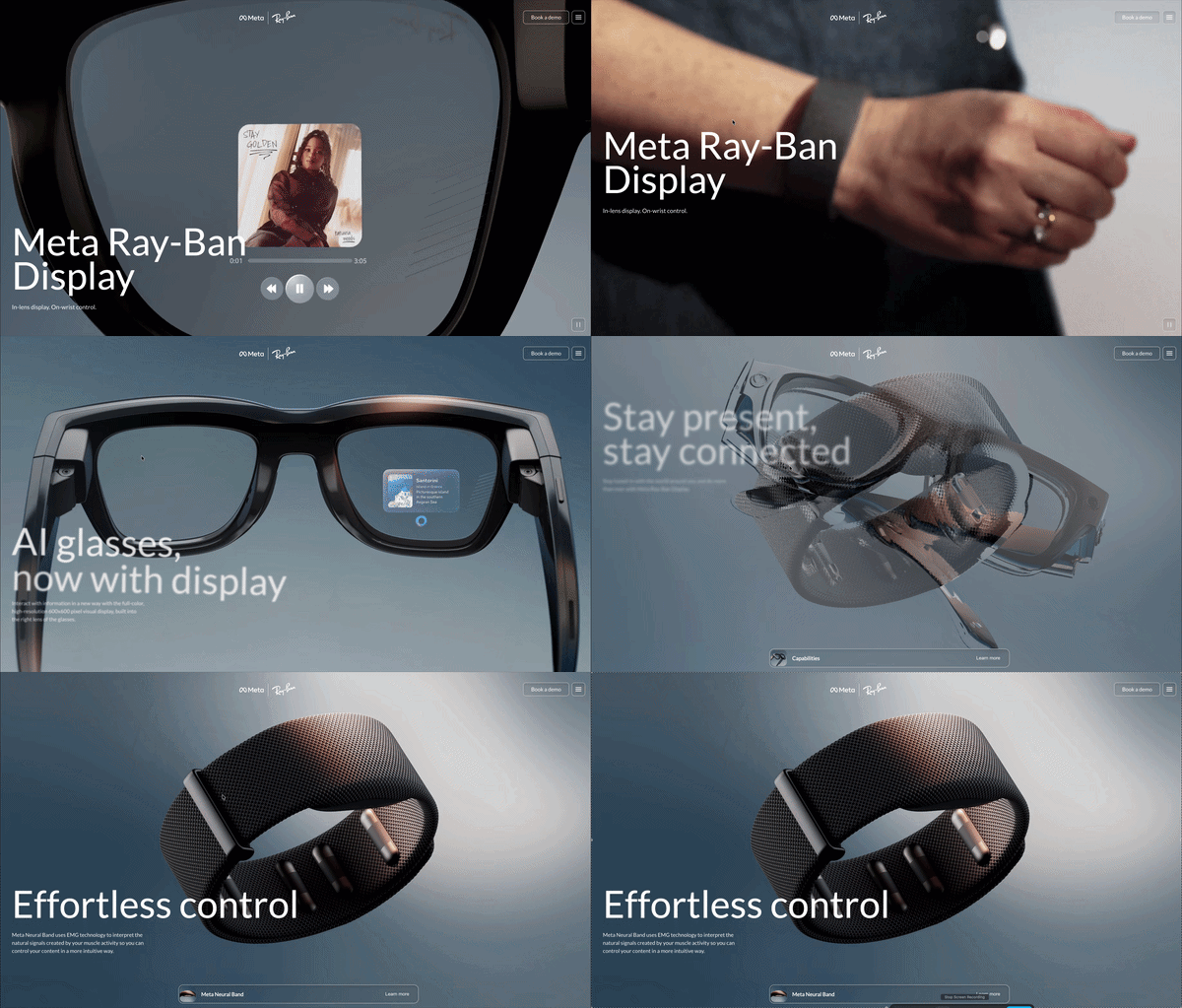
1. Ray-Ban Meta — the product-launch microsite
Visit microsite ↗What it is: Ray-Ban's showcase for its Meta smart glasses sits apart from the e-commerce store: a scroll-driven page that dissects the glasses feature by feature, cameras and speakers revealing as you move.
Why it works as a microsite: The product needed a story, not a shelf. Separating the launch from the catalogue lets the page break the store's grid entirely — full-bleed motion, exploded views, one pre-order action — without touching the main site's conversion machinery.
Steal this: One product, full theatrical attention, and a single CTA. If your launch shares a page with navigation to everything else you sell, it isn't a launch — it's a listing.

2. AVATR Vision — the concept-campaign microsite
Visit microsite ↗What it is: AVATR put its future-mobility concept on its own subdomain — vision.avatr.com — as a cinematic scroll experience distinct from the car-maker's product site.
Why it works as a microsite: A textbook microsite address: the subdomain signals 'this is its own world' while keeping the brand's name in the URL. Concept campaigns age differently from product pages; when this one ends, the main site is untouched.
Steal this: Use a subdomain to give a campaign its own identity without buying a throwaway domain that donates your brand equity to a URL nobody recognises.

3. Chanel J12 — the single-product story
Visit microsite ↗What it is: Chanel gives one watch, the J12, a dedicated scroll experience: ceramic craft, materials and heritage unfolding scene by scene at the pace of the reader.
Why it works as a microsite: Luxury goods sell on story and craft, which a category page structurally cannot deliver. The J12 page behaves as a microsite inside chanel.com — proof the technique is about focus, not hosting.
Steal this: The confidence of omission. Almost nothing on the page is clickable except the story itself and one path to the product. Every element you remove strengthens what remains.
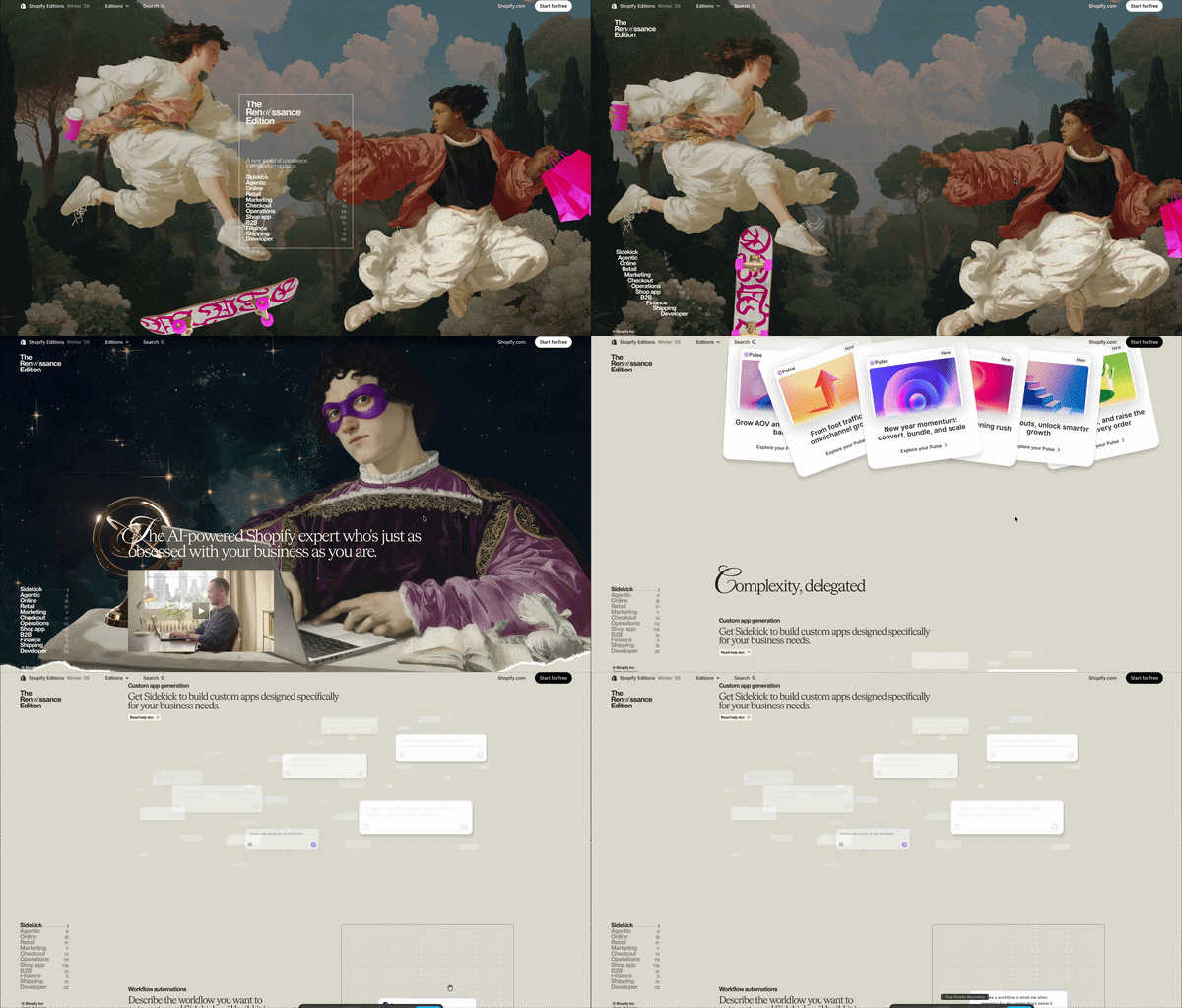
4. Shopify Editions — the recurring release microsite
Visit microsite ↗What it is: Twice a year Shopify ships 100+ product updates as Editions — a themed, heavily animated microsite that turns a changelog into an event.
Why it works as a microsite: A release-notes page would be read by nobody. A versioned microsite (winter2026) makes each release a moment, gives press something to link, and builds an archive of the company's momentum edition by edition.
Steal this: Version your recurring moments — editions/winter2026, 2025.brand.com — and keep old ones online. The archive itself becomes proof of consistency.
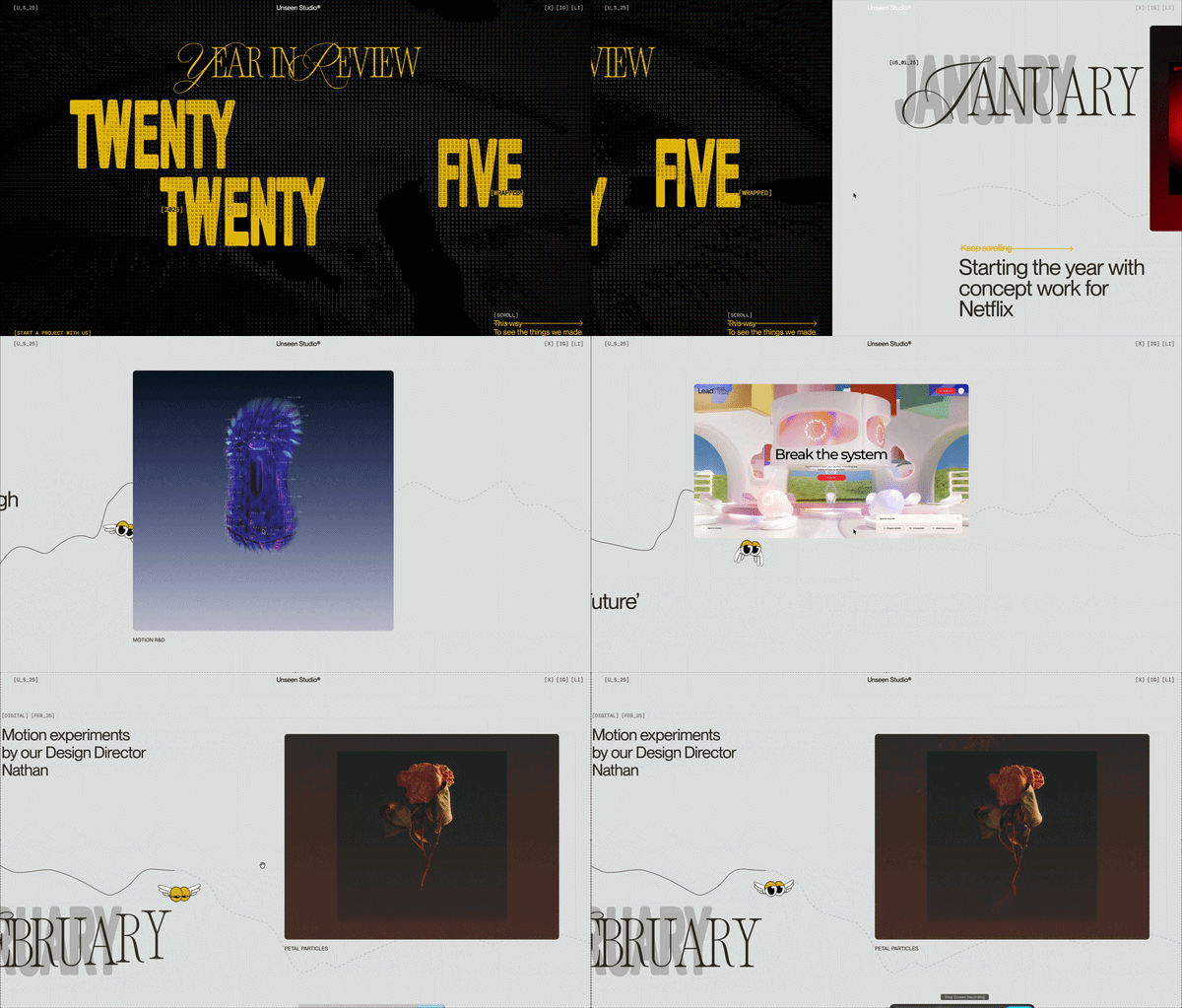
5. Unseen 2025 — the annual-report microsite
Visit microsite ↗What it is: Photography platform Unseen publishes its annual report at 2025.unseen.co — the year is the subdomain — as an immersive scroll story rather than a PDF.
Why it works as a microsite: Annual reports are the most predictable microsite candidate: fixed scope, yearly cadence, an audience you want to impress once. The subdomain-per-year pattern gives each report a permanent, citable home.
Steal this: Anything you currently publish as a PDF — reports, lookbooks, wrap-ups — is a microsite waiting to happen. A scroll story gets read; attachments get archived.
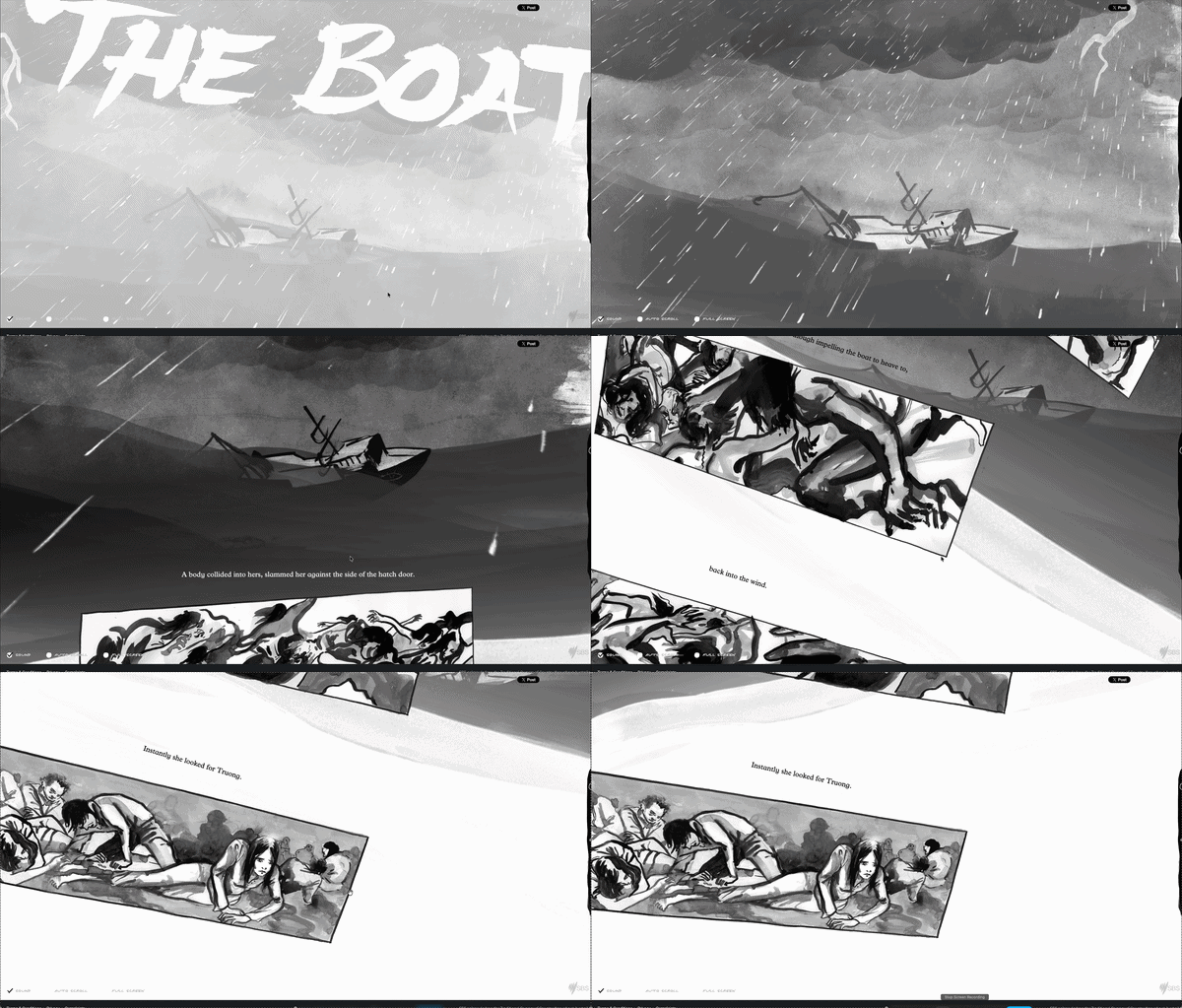
6. SBS The Boat — the editorial microsite
Visit microsite ↗What it is: SBS adapted a graphic novel about a refugee journey into an interactive scroll experience — illustration, sound and motion driven entirely by the reader.
Why it works as a microsite: This story could never live in an article template; the format is the point. A decade on, it's still cited and shared — the strongest argument that a story microsite can outlive any news cycle.
Steal this: Match motion to meaning. The Boat's animation serves the story's mood, not the designer's showreel — the standard any editorial microsite should be held to.
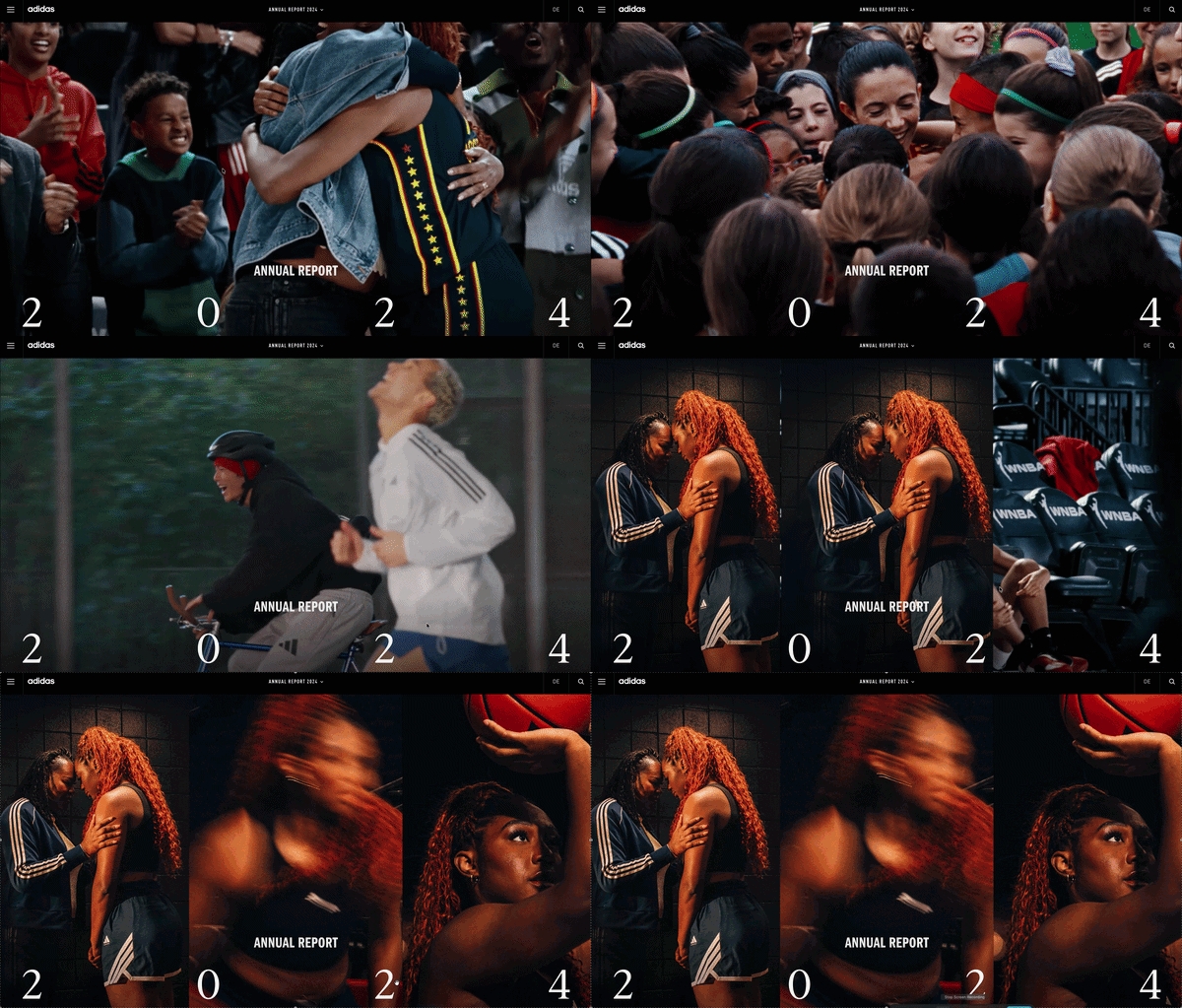
7. Adidas Annual Report — the corporate flagship
Visit microsite ↗What it is: Adidas publishes its group report at report.adidas-group.com as a full scrollytelling experience — hero video, animated numbers, chaptered navigation.
Why it works as a microsite: The report has different readers (investors, press, candidates) and a different lifespan than adidas.com. Its own subdomain keeps the corporate site clean while the report gets room to perform.
Steal this: Chaptered navigation. Long microsites earn a persistent rail so returning readers can jump straight to the section they came for.

8. Frequency Breathwork — the small-brand microsite
Visit microsite ↗What it is: A one-studio wellness brand whose entire web presence is a single immersive scroll experience — proof the format isn't reserved for Chanel and Shopify budgets.
Why it works as a microsite: For a small brand, the microsite IS the website: one page that carries mood, story and booking in a single scroll. No CMS, no menu sprawl, nothing to maintain but the story.
Steal this: If your business does one thing, a one-page scroll story may serve you better than a ten-page site nobody finishes.
The patterns across all eight
- One job each. Launch (Ray-Ban), vision (AVATR), craft (Chanel), release (Shopify), report (Unseen, Adidas), story (SBS), presence (Frequency). None tries to do two.
- Subdomains for identity. Four of the eight live at their own subdomain — the cleanest way to give a campaign independence without abandoning the brand.
- Scroll as the interface. No carousels, no tabs; the reader's scroll is the navigation. Motion arrives when the reader does.
- One call to action. Pre-order, read, book. The strongest pages ask for exactly one thing.
FAQ
What makes these microsites rather than websites?
Each serves one campaign, product or story with its own identity — and most live on their own subdomain (vision.avatr.com, 2025.unseen.co, report.adidas-group.com) apart from the brand's main site.
What do the best microsite examples have in common?
One message, a cinematic opening, scroll-driven motion that serves the story, and a single call to action. Focus is the pattern — everything else is style.
Do I need an agency to build something like these?
No. These flagship examples had agency budgets, but the techniques — scroll reveals, pinned heroes, animated numbers — are exactly what a free microsite builder now generates from a text description.
Where can I find more examples?
Our 26 scrollytelling examples teardown covers a wider set, including performance analysis of each.
Make one like these
Describe your campaign and AI builds the scroll experience — free to try, no code.
Open the free microsite builder →